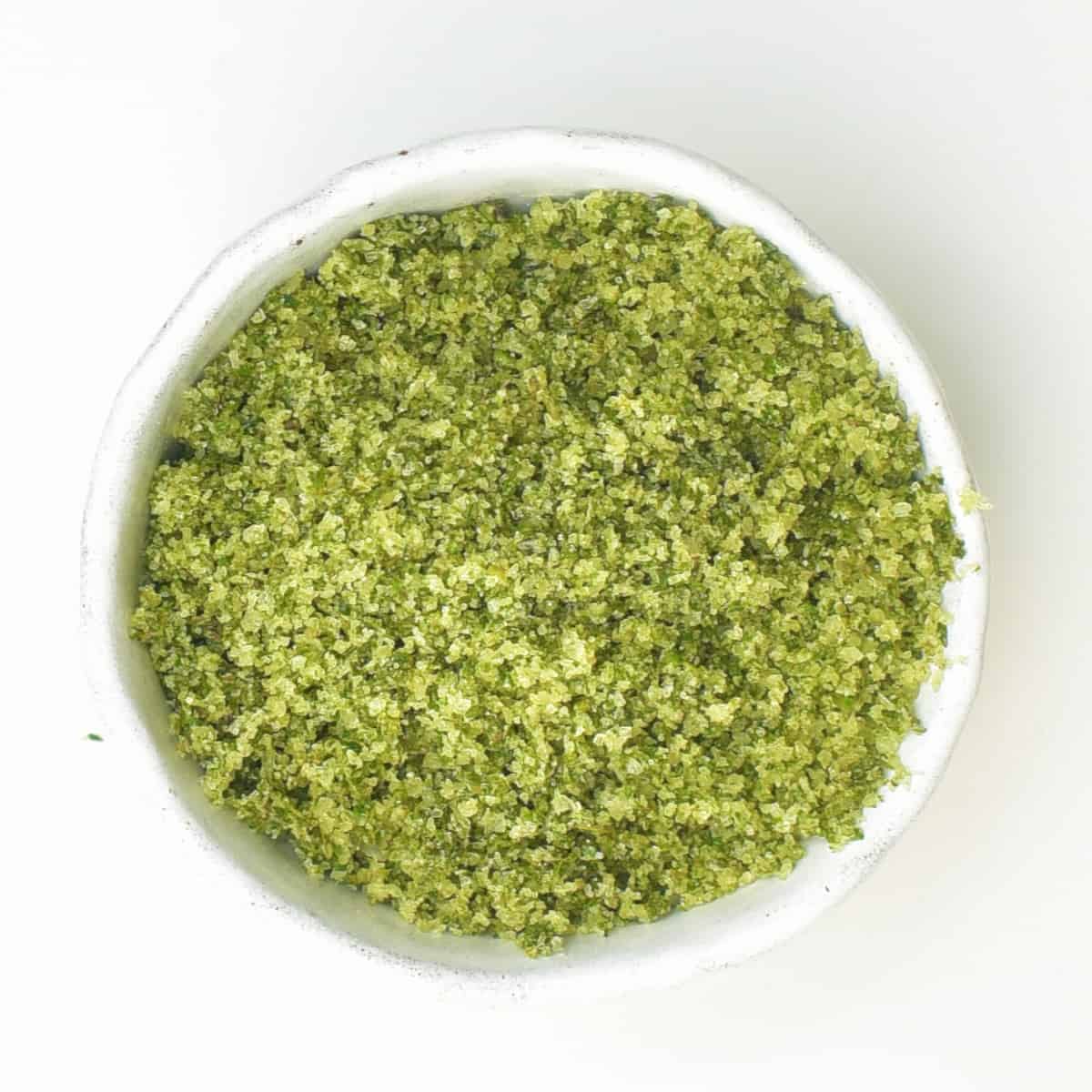
Elevating your culinary creations doesn't have to be complicated or expensive. One of the simplest yet most impactful ways to infuse incredible flavor into your dishes while simultaneously preserving the bounty of your garden is by mastering the art of homemade herb salt. Far beyond just a seasoning, herb salt is a versatile condiment, a clever preservation technique, and a delightful homemade gift. If you've ever wondered how to make herb salt that perfectly suits your palate and needs, you're in the right place. We'll explore three distinct methods, from quick fresh blends to long-lasting dried versions, ensuring you can harness the power of herbs year-round.
The Allure of Homemade Herb Salt: Flavor, Preservation, & Gifting
There's a special satisfaction that comes with crafting ingredients from scratch, and herb salt is a prime example. Store-bought flavored salts can be pricey and often lack the vibrant freshness and personalized touch of a homemade blend. By making your own, you gain complete control over the quality of ingredients, the intensity of flavor, and the type of salt used, opening up a world of culinary possibilities.
Beyond its immediate flavor-enhancing capabilities, herb salt shines as an ingenious method for preserving fresh herbs. As autumn approaches and garden herbs begin to wane, transforming them into a savory salt blend ensures their essence can be enjoyed long after the growing season ends. This preservation process not only prevents waste but also concentrates the herbal flavors, often allowing them to deepen and meld beautifully over time. And let's not forget its charm as a thoughtful, cost-efficient present! For more on crafting these delightful culinary gifts, explore our guide on Homemade Herb Salt: The Perfect Cost-Efficient DIY Gift for Foodies.
Essential Ingredients & Flavor Customization
The foundation of any great herb salt lies in its components. Understanding your options is key to crafting your perfect blend.
Choosing Your Salt Base
- Coarse Sea Salt or Kosher Salt: These are excellent choices, providing a robust texture and allowing the herb flavors to shine without being overly salty. Their larger crystals also make for a beautiful visual presentation.
- Flaky Sea Salt: For a gourmet touch, flaky salt adds a delicate crunch and dissolves beautifully, making it ideal as a finishing salt.
- Fine Salt: While convenient, fine table salt can sometimes make the blend too potent. Use sparingly or opt for slightly coarser grains.
Selecting Your Herbs
Virtually any herb can be transformed into a delicious salt. Classics like rosemary, sage, oregano, thyme, and marjoram are popular choices, offering robust, earthy notes. For a brighter profile, consider parsley, cilantro, dill, or mint. You can stick to a single herb or create intricate blends – think a classic "Italian seasoning" salt with oregano, basil, and thyme, or a "Mediterranean" blend with rosemary, marjoram, and a hint of dried lemon zest.
Beyond the Basics: Flavor Enhancers
This is where your creativity can truly flourish!
- Garlic: Minced fresh garlic (best used with drying methods) or dried garlic granules can add a pungent depth.
- Chili: Dried chili flakes or a pinch of cayenne bring a welcome kick.
- Spices: Paprika for warmth, smoked paprika for a barbecue note, curry powder for an exotic twist.
- Citrus Zest: Dried lemon, orange, or lime zest adds a fragrant, bright dimension.
- Unique Additions: Consider dried mushrooms for umami, or even a touch of vanilla bean for a surprisingly delicious sweet-savory salt perfect for baking or finishing caramel desserts.
Preparing Your Fresh Herbs
If you're using fresh herbs, proper preparation is crucial.
- Wash Thoroughly: Rinse your herbs under cool water to remove any dirt or insects.
- Pat Dry Meticulously: This is a critical step, especially if you plan to dry the salt later. Excess moisture can lead to spoilage or clumping. Lay them out on a clean kitchen towel or paper towels until completely dry.
- De-stem: Separate the leaves from the stems. Herb stems, particularly from woody herbs like rosemary or thyme, can impart a bitter flavor to your salt. Discard or compost them.
Mastering the Methods: How to Make Herb Salt Your Way
Whether you need a quick flavor boost or a long-term pantry staple, there's a method for you.
Method 1: Fresh & Fast (Refrigerated Herb Salt)
This is the quickest way to enjoy herb salt, ideal when you have an abundance of fresh herbs and plan to use the salt within a few weeks. Because it retains moisture, it requires refrigeration.
Process:
- Combine your thoroughly washed and dried fresh herb leaves (e.g., rosemary, sage) with your chosen salt and any fresh optional additions like minced garlic in a food processor or grinder.
- Pulse until the mixture is finely blended and takes on a vibrant green hue, resembling refined salt. You can achieve a finer or coarser texture based on your preference.
- Transfer the fresh herb salt immediately to a clean, airtight glass jar.
Storage & Use:
Store this vibrant blend in the refrigerator for up to 2-3 weeks. It's fantastic sprinkled on eggs, tossed with roasted vegetables, or mixed into olive oil for dipping bread. Its fresh, potent flavor makes it perfect for dishes where you want the herbs to truly sing.
Method 2: Drying for Longevity (Oven or Air-Dried Herb Salt)
This method is excellent for preserving fresh herbs for an extended period, creating a shelf-stable product that doesn't require refrigeration. The key is to remove all moisture from the herbs and salt mixture.
Process:
- Start as in Method 1: Combine your prepared fresh herbs and salt (and any fresh additions like garlic) in a food processor. Blend until the mixture is uniform and the herbs are finely chopped. For a coarser salt texture, blend the herbs first to your desired fineness, then add the salt and pulse just a few times to combine.
- Spread Thinly: Spread the herb salt mixture in a very thin, even layer on a baking sheet lined with parchment paper. This maximizes surface area for drying.
- Drying Options:
- Oven Drying: Place the baking sheet in an oven set to its lowest temperature (typically 150-200°F / 65-95°C). Leave the oven door slightly ajar to allow moisture to escape. Stir the salt every 30-60 minutes to promote even drying. This can take anywhere from 1-3 hours, depending on the moisture content of your herbs and oven temperature.
- Dehydrator: If you have a food dehydrator, spread the mixture on dehydrator trays and dry at a low temperature (around 95-105°F / 35-40°C) until completely dry, usually 4-8 hours.
- Air Drying (Room Temperature): In a dry climate, you can simply leave the baking sheet out at room temperature for 2-5 days, stirring daily. Ensure the environment is not humid to prevent mold.
- Check for Dryness: The salt is fully dried when it clumps together minimally and feels completely dry to the touch. There should be no signs of moisture. If it's not fully dry, it can spoil.
- Cool & Store: Allow the dried herb salt to cool completely before transferring it to airtight glass jars.
Storage & Use:
Store in a cool, dark pantry for several months. The flavors will continue to meld and deepen over time. This versatile salt can be used on virtually anything – from seasoning meats and fish, to sprinkling over salads, roasted vegetables, pasta, or even using in compound butter. It's truly a secret weapon in the kitchen.
Method 3: Instant Blends with Dried Herbs
For ultimate convenience or when fresh herbs aren't available, using pre-dried herbs is an excellent option. This method yields a shelf-stable product from the start.
Process:
- Combine your chosen dried herbs (store-bought or home-dried) with salt and any other dried spices (like garlic granules, chili flakes, paprika) in a food processor, spice grinder, or even a mortar and pestle.
- Blend or grind until the mixture reaches your desired consistency – from a fine, powdery blend to a coarser, more textured salt where individual herb flecks are visible.
- Transfer immediately to an airtight glass jar.
Storage & Use:
Store in a cool, dark pantry. Because all ingredients are already dry, this herb salt has an extended shelf life, often remaining potent for 6-12 months. It's perfect for quick seasoning anytime, especially when you need a concentrated burst of flavor without the moisture of fresh herbs.
Tips for Perfecting Your Herb Salt Creations
- Ratio is Key: A good starting point is a 1:4 ratio of fresh herbs to salt by volume (e.g., 1 cup packed herbs to 4 cups salt), or a 1:8 ratio for dried herbs. However, adjust to your taste – some prefer a more herb-forward salt, others a more subtle hint.
- Texture Matters: If you prefer distinct salt crystals and larger herb flecks, blend the herbs first until finely chopped, then add the salt and pulse only a few times to combine. For a uniform, fine green powder, blend everything together until smooth.
- Experiment with Blends: Don't be afraid to mix and match! Try a "Poultry Blend" with rosemary, thyme, and dried onion powder; a "Spicy Tex-Mex" with cilantro, cumin, chili powder, and lime zest; or even a "Herbes de Provence" salt. The possibilities are endless!
- Always Cool Completely: Before sealing any dried herb salt in jars, ensure it has cooled down entirely. Sealing warm salt can create condensation, reintroducing moisture and potentially leading to spoilage.
- Gift with Love: Package your homemade herb salts in attractive small jars with custom labels for a truly personal touch. Include a note with suggested uses!
With these three simple methods and a little creativity, you can easily create custom herb salts that will transform your everyday cooking and make fantastic gifts. For more practical advice on integrating DIY ingredients into your kitchen, check out our article on DIY Herb Salt: Flavor Your Meals & Preserve Herbs Easily.
Mastering how to make herb salt opens up a world of flavor, allowing you to capture the essence of fresh herbs and enjoy them all year long. Whether you opt for the vibrant freshness of a refrigerated blend, the lasting power of a dried salt, or the convenience of a dried herb mix, you're not just making a seasoning – you're crafting a culinary experience. So gather your favorite herbs, choose your method, and get ready to elevate every dish with your personalized, homemade herb salt.
